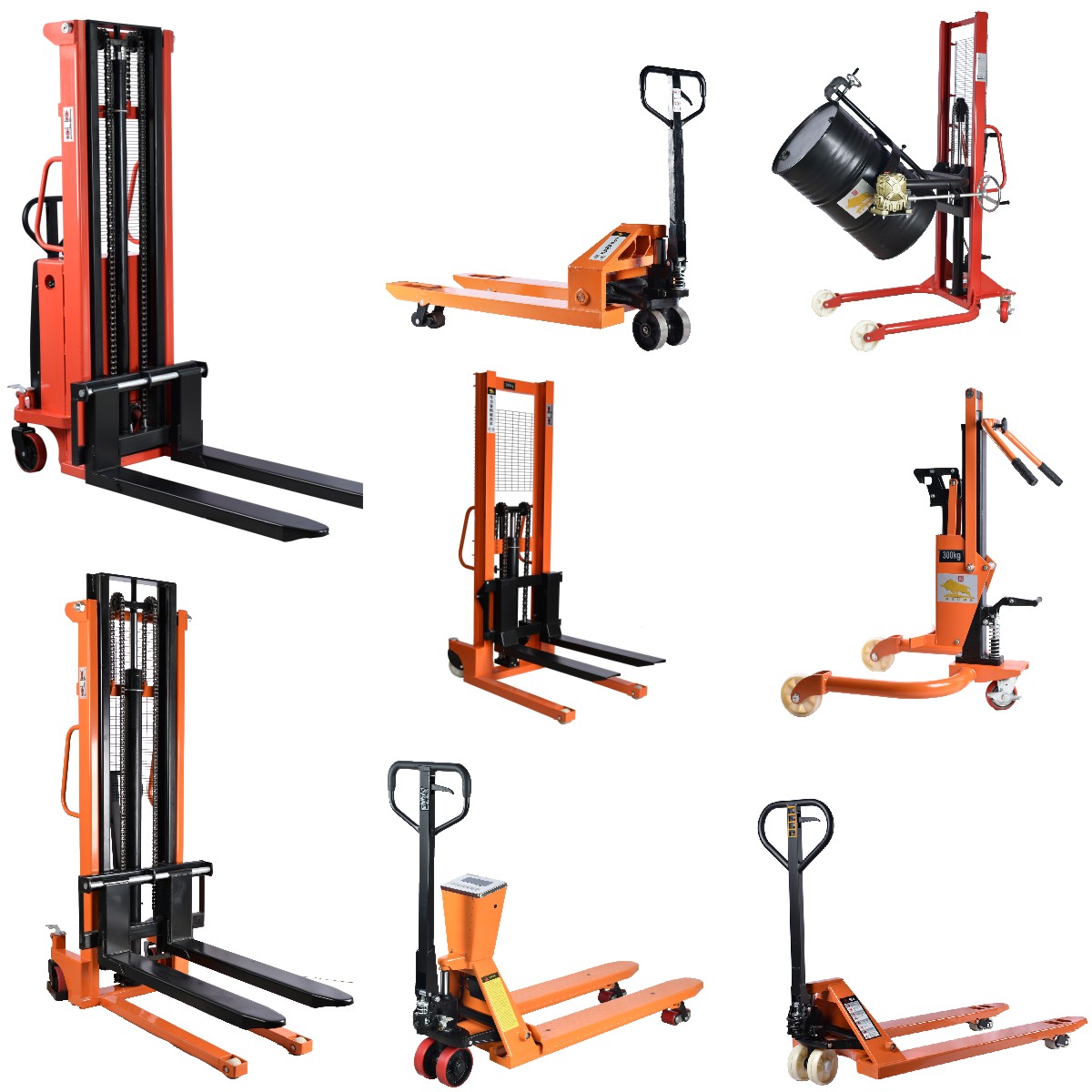
For pallet stacker wholesale supplier buyers, lifting speed decline is a practical after-sales issue. It affects warehouse efficiency, operator satisfaction, and maintenance cost. If multiple units in a batch show similar problems, the distributor may face warranty claims and customer complaints.
Why Lifting Speed Declines Over Time
Manual hydraulic stackers depend on the hydraulic pump, cylinder, seals, oil condition, valve system, and handle mechanism. If any of these parts wear down or lose efficiency, lifting speed can decline.
The issue often appears gradually. At first, operators may need a few more strokes to raise the load. Later, the stacker may struggle to reach full lifting height or may lower unevenly.
In busy warehouses, this becomes a productivity problem because workers need more time and effort for each lifting task.
Common Causes Behind Slower Lifting
Seal Wear
Hydraulic seals help maintain pressure inside the system. When seals wear or harden, pressure loss can occur. This reduces lifting efficiency and may eventually lead to oil leakage.
Hydraulic Oil Problems
Contaminated, low-quality, or insufficient hydraulic oil can affect lifting performance. Oil condition is especially important in environments with dust, temperature changes, or heavy daily use.
Cylinder Wear
The hydraulic cylinder must remain smooth and stable. If internal wear appears, the system may lose pressure or lift unevenly.
Overloading
Repeated lifting above rated capacity can accelerate wear. Even if the stacker does not fail immediately, overload use can shorten the service life of hydraulic components.
Why Buyers Should Consider Real Usage Frequency
A stacker used a few times per day has different requirements from one used continuously in a warehouse. Buyers should match the product to the working frequency, load weight, and lifting height.
If customers use the stacker for heavy daily operations, they may need stronger hydraulic components, better wheel configuration, and easier maintenance access. Choosing only by purchase price may lead to higher operating cost later.
What Buyers Should Inspect Before Ordering
Before confirming a Manual Hydraulic Pallet Stacker bulk order, buyers should review:
- Hydraulic pump quality
- Cylinder sealing performance
- Oil leakage prevention
- Lifting speed under load
- Handle operation comfort
- Fork strength and alignment
- Wheel material and floor compatibility
- Frame welding quality
- Lowering control stability
- Spare parts availability
Testing the stacker with realistic loads is more useful than checking unloaded lifting speed only.
Maintenance Planning Reduces Complaints
Manual hydraulic equipment requires basic maintenance. Users should check oil condition, avoid overload operation, inspect seals, clean wheels, and store the equipment properly. If customers do not receive clear maintenance guidance, normal wear may turn into product complaints.
For distributors, including simple operating and maintenance instructions can reduce after-sales questions and help customers use the equipment correctly.
Why Lifting Speed Problems Affect Repeat Orders
When users complain that a stacker lifts slowly, they usually judge the product as weak or poorly made. Even if the cause is maintenance-related, the distributor may still lose customer trust.
Reliable lifting performance helps customers complete daily work with less effort. This directly affects whether they reorder the same model or look for another supplier.
Request A Quote For Manual Hydraulic Pallet Stacker Supply
For Manual Hydraulic Pallet Stacker bulk orders, hydraulic pallet stacker supply, or pallet stacker wholesale supplier cooperation, you can send us your required load capacity, lifting height, fork size, working frequency, floor condition, order quantity, packaging requirements, and destination market.
Our team can help review hydraulic system configuration, frame strength, wheel selection, maintenance requirements, and export packing before preparing a quotation. If your customers use the stacker in warehouses, workshops, retail storage, or production areas, please share the usage details so we can help evaluate a suitable model.
For bulk pricing, sample review, spare parts discussion, or material handling equipment quotation support, visit https://www.gdniulilogistics.com/products.html and send us your inquiry details.